

You can eat
- Sparkling water on its own, chilled or with ice, as an everyday drink.
- Sparkling water with slices of lemon, orange or cucumber
- Sparkling water with mint leaves or spearmint
- Sparkling water with meals, if it suits you
- Sparkling water labelled suitable for low-sodium diets, if you have been asked to watch your salt intake.
- Sparkling water in batter or tempura mix to make it lighter.
What to avoid
- Sparkling water with added sugar or concentrated juices
- Tonic water and fizzy lemonade as everyday drinks
- Sugary soft drinks, even when the packaging says water or fruit
- Sweetened fizzy drinks as a regular substitute for water
- Sparkling water with meals if it makes you feel bloated or causes burping afterwards
- Alcoholic drinks mixed with sparkling water or soft drinks
Changes that help
Soft drink with an aperitif
Instead of a sugary soft drink, have sparkling water with ice and lemon, so you keep the bubbles without the free sugar [8].
Tonic water
Instead of tonic water, have sparkling water with orange peel or cucumber for the same refreshing touch without added sugar.
Shop-bought flavoured water
Instead of shop-bought flavoured water, have sparkling water with chopped fruit, so you decide what goes into it.
High-sodium water
Instead of having high-sodium sparkling water every day, choose one with less than 20 mg per litre, so you can watch your salt intake without giving up the bubbles [1].
Habits that help
- Drink in small sips and without a straw to swallow less air
- If you have reflux, leave some time between your last fizzy drink and going to bed.
- Take a bottle of water with you when you leave home
When we ask someone in a consultation to drink more water, the question comes straight away: “Does sparkling water count?” Yes, with two things to keep in mind. One is on the label, in the sodium line. The other is how the bubbles feel in your stomach.
What is sparkling water?
Sparkling water is water with carbon dioxide dissolved in it—the gas that makes the bubbles. When it dissolves, it forms carbonic acid, which gives the water its slightly acidic, sharp taste.
If it is natural mineral water, the label states where the gas comes from [1]. “Naturally carbonated” means the gas comes from the spring itself. “Fortified with gas from the same spring” means more gas from that source has been added. “With added carbon dioxide” means the gas comes from elsewhere [1]. Soda water or siphon water is drinking water with added gas; it does not have the mineral composition of spring water.
Water provides no energy, carbohydrates, fat or protein. That is why its label does not include the nutrition table found on other foods: water is exempt [2]. Instead, natural mineral water lists its analytical composition [1]. This includes sodium, calcium, magnesium and bicarbonate, in milligrams per litre, and the amounts vary greatly from one spring to another.
Does sparkling water hydrate as well as still water?
Yes, it hydrates just as well. A trial comparing several commonly consumed drinks found that the body retains the same amount of fluid from sparkling water as from still water [3].
So it counts towards your hydration just like any other water. The European reference for total water intake is around 2 litres a day for adult women and 2.5 litres for men, including water from food [4]. If you find plain water hard to drink and the bubbles encourage you, it can be an easy way to get closer to that amount.
Your needs change with intense exercise or hot weather. They can also change for older people and during pregnancy or breastfeeding. For advice on what to drink during intense exercise or hot weather, see our guide to sports drinks.
Does sparkling water cause weight gain or bloating?
It does not cause weight gain, because it contains no calories. How it feels for you depends on the individual. The gas you drink has to come out, and for some people this means burping or bloating in the upper abdomen. This is temporary discomfort that goes away when the gas is released.
Reflux needs a little more nuance. The US reflux guideline includes carbonated drinks among foods that may worsen symptoms, while acknowledging that the evidence is limited [5]. The practical approach is to notice whether it gives you heartburn. If it does, reduce the amount and see whether you feel better.
Does sparkling water harm your teeth or bones?
Carbonic acid makes sparkling water slightly more acidic than still water. The risk to tooth enamel depends on how acidic a drink is and how many times a day you have it.

Carbonated soft drinks are usually below the pH at which enamel starts to dissolve, and having them often encourages erosion [6]. Plain sparkling water does not contain their added acids or sugar, and its risk is much lower. If you squeeze in lemon, the risk of erosion increases a little because lemon is acidic too.
For bones, the concern comes from soft drinks. An analysis of 26 studies linked high consumption of sugary drinks with lower bone density in adults [7]. We have no evidence pointing to the same effect from unsweetened sparkling water.
How is it different from a soft drink or flavoured water?
The main difference is sugar. A soft drink contains water, carbonation and, almost always, added sugar, acids and flavourings. That sugar is free sugar. The WHO recommends that it provide less than 10% of daily energy intake and, ideally, less than 5% [8]. On a diet of around 2,000 kcal, that is about 50 g a day [8]. A can of sugary soft drink uses up a large part of that allowance.
Sugar-free versions do not add free sugar, although they are still acidic drinks [6].
Flavoured waters fall somewhere in between. Some are water with carbonation and flavourings, and nothing else. Others contain sugar or concentrated juices, making them more like soft drinks. The first line of the ingredients list will tell you.
How to choose sparkling water by reading the label
The figure that matters most is sodium per litre, in the analytical composition. It varies greatly from one spring to another, and European regulations set two reference points [1]. If the label says “suitable for low-sodium diets”, it contains less than 20 mg per litre. If it says it contains sodium, it has more than 200 mg per litre [1].
For context, the recommendation for adults is to have less than 5 g of salt a day (about 2 g of sodium) [9]. One litre of water containing 200 mg of sodium already provides at least a tenth of that limit. With water containing less than 20 mg per litre, the sodium from the water hardly counts towards your intake.
If you have high blood pressure or kidney disease, or you have been asked to watch your salt intake, choose water with less sodium. Discuss it with your doctor or dietitian-nutritionist.
What we hear in consultations about sparkling water
In consultations, sparkling water usually comes up for three reasons.
“I only drink water if it’s sparkling.” For many people, it is a way to drink throughout the day without getting bored, and we are happy with that. We just suggest checking the sodium if you drink more than a litre a day.
“I fill up on sparkling water so I don’t snack.” The bubbles can make your stomach feel full for a while, and some people use them to calm their hunger. If this sounds familiar, it is worth talking about it calmly. If you are also concerned about your relationship with food, find out how we work in our dietitian support for eating disorders.
“Sparkling water is good for digestion.” Some people find it sits well after a meal, and there is no problem with drinking it. We do not have solid evidence that it improves digestion, so we do not recommend it as a remedy.
Sparkling water is water with bubbles. It hydrates, does not cause weight gain and may help you move away from soft drinks.
If the bubbles help you drink more water, that is welcome: check the sodium and pay attention to how it feels for you.
If you would like to review what you drink throughout the day and fit it into your diet, Alimmenta’s team of dietitians-nutritionists can see you for nutrition consultations in Barcelona or online.
Your first step this week
A jug on the table
This week, put a jug of water, sparkling or still, on the table at every meal.
When to see a doctor
When to see a doctor
Sparkling water is a drink and does not treat any illness. If heartburn, bloating or stomach pain does not go away, your doctor should assess it before you change what you eat or drink. If you have high blood pressure or kidney disease, ask your healthcare team how much sodium is suitable for you.

Tell us what your week looks like and what you would like to change
At the first visit we talk about your schedule, who cooks at home and what you have tried before. At the second visit you receive your plan in writing.
Keep reading

Flavoured water and juice drinks: how much sugar do they contain, and when do they make sense?
They are in the water aisle, in almost identical bottles, and look like water with a hint of…
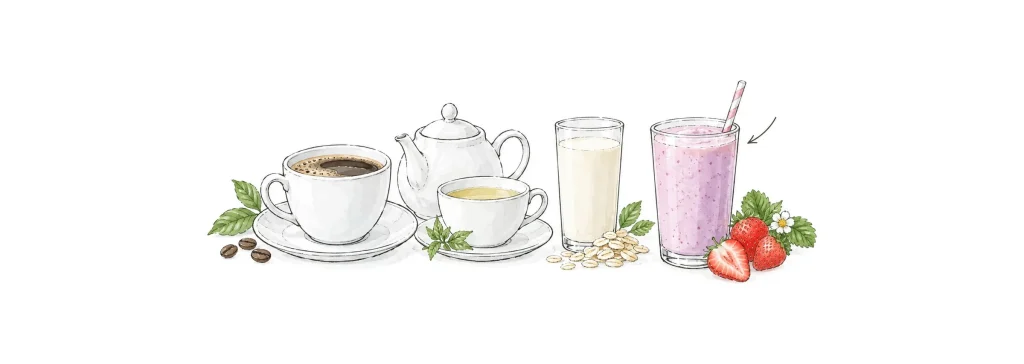
What to drink with breakfast: coffee, tea, plant-based drinks and smoothies
For many people, the day does not begin until the first coffee. And with it comes the familiar…
Sports drinks: water, isotonic drinks and when you need them
You are heading out to train and cannot decide whether to fill your bottle with water or an…
Types of cheese: which are healthier and how to choose
There are twenty cheeses in front of you at the supermarket fridge and they all look alike. You…
 Consultation
Dietitian to help you eat better in Barcelona and online
Learn to eat better, with shopping, menus and cooking that fit your week and no lists of foods…
Book a visit →



Sources
- Directiva 2009/54/CE del Parlamento Europeo y del Consejo, de 18 de junio de 2009, sobre explotación y comercialización de aguas minerales naturales. Diario Oficial de la Unión Europea. 2009. Available at: https://eur-lex.europa.eu/eli/dir/2009/54/oj
- Reglamento (UE) n.º 1169/2011 del Parlamento Europeo y del Consejo, de 25 de octubre de 2011, sobre la información alimentaria facilitada al consumidor. Diario Oficial de la Unión Europea. 2011;L 304:18-63. Available at: https://eur-lex.europa.eu/eli/reg/2011/1169/oj
- Maughan RJ, Watson P, Cordery PA, et al. A randomized trial to assess the potential of different beverages to affect hydration status: development of a beverage hydration index. Am J Clin Nutr. 2016;103(3):717-23. doi:10.3945/ajcn.115.114769
- EFSA Panel on Dietetic Products, Nutrition, and Allergies (NDA). Scientific Opinion on Dietary Reference Values for water. EFSA Journal. 2010;8(3):1459. doi:10.2903/j.efsa.2010.1459
- Katz PO, Dunbar KB, Schnoll-Sussman FH, et al. ACG Clinical Guideline for the Diagnosis and Management of Gastroesophageal Reflux Disease. Am J Gastroenterol. 2022;117(1):27-56. doi:10.14309/ajg.0000000000001538
- Inchingolo AM, Malcangi G, Ferrante L, et al. Damage from Carbonated Soft Drinks on Enamel: A Systematic Review. Nutrients. 2023;15(7):1785. doi:10.3390/nu15071785
- Ahn H, Park YK. Sugar-sweetened beverage consumption and bone health: a systematic review and meta-analysis. Nutr J. 2021. doi:10.1186/s12937-021-00698-1
- World Health Organization. Guideline: sugars intake for adults and children. Geneva: World Health Organization; 2015. Available at: https://www.who.int/publications/i/item/9789241549028
- World Health Organization. Guideline: sodium intake for adults and children. Geneva: World Health Organization; 2012. Available at: https://www.ncbi.nlm.nih.gov/books/NBK133309/
Written and reviewed by


How we can help
Now, applied to you
Dietitian to help you eat better in Barcelona and onlineLearn to eat better, with shopping, menus and cooking that fit your week and no lists of foods you can't have, in Barcelona and online.
4.9 on Google · 5.0 on Doctoralia · 2,072 reviews
