You can eat
- Whole fruit: kiwi, plum, pear, grapes and orange; with the skin if it agrees with you.
- A variety of vegetables: cooked or raw according to your tolerance.
- Wholegrains: bread, pasta, rice, oats and rye.
- Pulses: lentils, beans and chickpeas; start with small amounts if they bloat you.
- Seeds: flax or chia, soaked, added to yoghurt or oats.
- Fluids: water, mild infusions such as chamomile, and broths according to your thirst and needs.
- Olive oil: use it as a dressing or for cooking.
- Fermented dairy: yoghurt or kefir, if you tolerate them.
- Nuts and prunes: an option for a snack.
What to avoid
- White bread as your only regular bread, if it displaces wholegrain.
- Juice as a daily substitute for whole fruit.
- Low-fibre snacks that displace fruit or nuts.
- Ready meals without vegetables or pulses as a habit.
- Pastries as a daily breakfast instead of options with fibre.
- Cutting out fruit based on generic lists, without checking your own tolerance.
Changes that help
Bread
Instead of your usual white bread, try wholemeal bread, because it provides more fibre without changing the rest of breakfast.
Fruit
Instead of juice, have the whole orange, because this way you get its fibre.
Snack
Instead of pastries, take a piece of fruit and a handful of nuts, because it makes it easier to include foods with fibre.
Lunch
Instead of a ready meal without vegetables, add a vegetable side dish, because it increases the variety of plant foods.
Habits that help
- Walk every day at a pace that feels comfortable.
- Set aside a quiet time to go to the toilet, for example after breakfast.
- Rest your feet on a low stool and avoid pushing hard.
In consultation we see that increasing fibre all at once usually ends in bloating and giving up. The fluid you drink, your movement and the time you leave for the toilet also matter. We can adjust each step to what you tolerate.
What counts as constipation?
We talk about constipation when you have fewer than three bowel movements a week, your stools are very dry or hard, or you find them difficult to pass [2]. Bowel habits vary from person to person: going every other day without straining or discomfort does not, by itself, mean you are constipated. You can read our guides to constipation in older adults and food and Parkinson’s disease.
Constipation can occur while travelling or after a change in schedule, during pregnancy or when your medication changes [2]. It can also last for months. If it recurs or persists, a health professional can review your habits, medicines and possible causes with you. Food may help, but it cannot identify the cause on its own.
What can I eat to go to the toilet today?
No food has a reliable, immediate effect. If you feel the urge today, find a toilet and give yourself time. You could try sitting down calmly after breakfast, when many people notice more bowel activity. Avoid straining and do not put off the urge [2].
If you have not had a bowel movement for several days, feel very uncomfortable and need relief today, ask a pharmacist or your doctor. Food does not replace an assessment of the cause or treatment when needed.
Soluble and insoluble fibre: how to increase it without bloating
The WHO suggests that adults get at least 25 g of fibre a day from foods for general health [1]. This is not a universal dose for treating constipation. Fruit, vegetables, pulses and wholegrains provide a mix of soluble and insoluble fibres. Soluble fibre can form a gel by holding water; insoluble fibre adds bulk to stools. The effect depends on the food, the amount and how it suits you, not just whether it is labelled “soluble” or “insoluble”.
Start with a small change you can maintain: for example, have one piece of whole fruit a day if you did not used to. Then you could replace some of your bread with wholemeal bread or add a serving of pulses that you tolerate. Increase gradually, especially if you have gas or bloating; if your symptoms get worse, return to the previous amount and ask for individual advice. Drinking enough matters, particularly when taking a fibre supplement [3]. Do not force yourself to drink litres of water: adjust what you drink to your thirst, activity and medical advice.
In one trial, eating two green kiwifruit a day for four weeks increased complete spontaneous bowel movements by around one and a half per week compared with baseline [4]. You can try them if you like them and they suit you; they do not need to become a compulsory part of every day’s menu.
Trials of fibre supplements are not the same as trials of a whole menu. One review found that constipation improved in 66% of people who received fibre, compared with 41% of controls [5]. Among supplements, psyllium, a soluble gel-forming fibre, has evidence for this use [3,5]. You do not need to buy it automatically: ask your registered dietitian or doctor whether it suits you and how to take it.
Which foods can help you go to the toilet?
Some specific options have been studied, but no food is compulsory. A review of trials found favourable results for some foods, including kiwifruit and rye bread, and for some mineral-rich waters; rye can increase gas [6]. The 2025 dietetic guideline also points out that benefits seen with individual foods do not show that a whole menu will resolve constipation [3].
Prunes have also been studied, although the review did not show that they worked better than psyllium [6]. Whole fruit provides fibre, so you can choose fruit you enjoy and tolerate.
Can I take laxatives or natural remedies?
If you need relief, speak to your doctor or pharmacist. The joint guideline from the American gastroenterology societies strongly recommends macrogol for chronic idiopathic constipation [7]. Fibre and some stimulant laxatives have different recommendations depending on the evidence and the duration of use studied [7]. You do not have to put up with discomfort because you are afraid of all laxatives, and you should not take one continuously without reviewing why you need it.

“Natural” does not mean harmless. Senna is a plant-derived stimulant laxative and can cause abdominal pain or diarrhoea [7]. If you use an herbal preparation, take its name and dose to your appointment before combining it with medicines.
The British dietetic guideline advises starting psyllium at a low amount and taking it with enough fluid; the dose depends on tolerance and your clinical situation [3]. Probiotics are not a general solution: results depend on the products and strains studied, and do not support recommending any mixture [3].
What if I eat fibre and still cannot go?
That can happen, and it is not always about diet. Iron and some painkillers, antidepressants and antacids can cause constipation [2]. Discuss this with the person who prescribed them; do not stop your medicine on your own. Sometimes the pelvic floor muscles do not coordinate well during a bowel movement. This needs medical assessment; guidelines support biofeedback rehabilitation for defecation disorders [8]. Diabetes, thyroid problems and neurological conditions are other possible causes for a doctor to assess [2].
If your stomach also bothers you, read our gastritis diet guide. If gas and bloating are the main problems, see our guide to bloating and abdominal distension. Sometimes the fibre that helps bowel movements is the fibre that causes the most bloating; in that case, the amount and pace matter.
Constipation when travelling: keep a routine without making it a rule
Travel can change mealtimes, access to a toilet, activity and what you drink; putting off the urge can also contribute to constipation [2]. Plan a few simple steps. Take a reusable bottle and drink according to your thirst and circumstances. Choose whole fruit, wholemeal bread or nuts when they are available. If you feel the urge, use a quiet stop to go to the toilet. If you have been advised to limit fluids or fibre, follow your usual plan.
When you arrive, try to return to meal and rest times that feel comfortable. Set aside a few minutes for the toilet after breakfast or another meal if you usually feel the urge then, without staying to strain. Walking during a long journey or after you arrive can be part of an active routine; it does not replace medical care if you have severe pain, vomiting or cannot pass wind. If you have previously been told to use a rescue laxative, check with your doctor or pharmacist before travelling about when and how to take it.
One different day does not undo everything. See whether the change settles when you return to your routine; if it happens on every trip or lasts for weeks, ask for an individual assessment.
Which common mistakes can make constipation worse?
- Holding on when you feel the urge. Find a calm moment when it comes [2].
- Increasing fibre all at once. Increase it gradually and adjust if you have more gas [3].
- Taking a fibre supplement without enough fluid. Check the advice and drink according to your plan [3].
- Expecting food to work today. If you need immediate relief, ask a pharmacist or doctor.
- Ignoring lasting changes. If constipation persists or changes without explanation, ask for an assessment [2].
A seven-day menu for constipation
This example has five eating occasions, but it does not set meal times or amounts for everyone. You can eat more or less depending on your appetite, needs and professional advice. The portions help you picture a meal for an adult; they are not a prescription or a weight-loss plan. If you have diabetes, a digestive condition, difficulty swallowing, or advice to limit fibre or fluids, ask for an adapted plan. Add pulses and wholegrains according to your tolerance rather than moving from very little fibre to this menu in one day [3].
Where milk or yoghurt appears, you can use whole or semi-skimmed versions, whichever you prefer. A plant-based option could be an unsweetened soya drink with at least 3% protein (3 g per 100 ml), according to the label; bear in mind that soya can cause an allergic reaction. The choice is not about losing weight. Have water with and between meals according to your thirst and needs; there is no fixed amount.
| Day | Breakfast | Mid-morning | Lunch | Afternoon snack | Dinner |
|---|---|---|---|---|---|
| Monday | Milk or soya drink (200 ml), wholemeal bread (60 g) with tomato and olive oil; 1 kiwifruit | 1 mandarin and a small handful of walnuts (20 g) | Lentil stew (150 g cooked) with carrot, onion and spinach; tomato salad; wholemeal bread (40 g); 1 pear | Plain yoghurt and 1 piece of fruit | Grilled chicken (120 g) with courgette and pepper; baked potato (180 g); 1 piece of fruit |
| Tuesday | Plain yoghurt with oats (40 g) and 1 banana | 1 pear and almonds (20 g) | Brown rice (40 g dry) with vegetables and a two-egg omelette; green salad; 1 piece of fruit | Wholemeal bread (40 g) with hummus (50 g) | Baked hake (130 g) with broccoli and carrot; wholemeal bread (50 g); 1 mandarin |
| Wednesday | Milk or soya drink (200 ml), wholemeal toast (60 g) with fresh cheese and tomato; 1 piece of fruit | 1 kiwifruit and walnuts (20 g) | Cooked dried beans (150 g) with pumpkin and chard; cucumber salad; bread (40 g); 1 orange | Plain yoghurt with 1 piece of fruit | Baked salmon (130 g) with aubergine and courgette; wholemeal couscous (40 g dry); 1 piece of fruit |
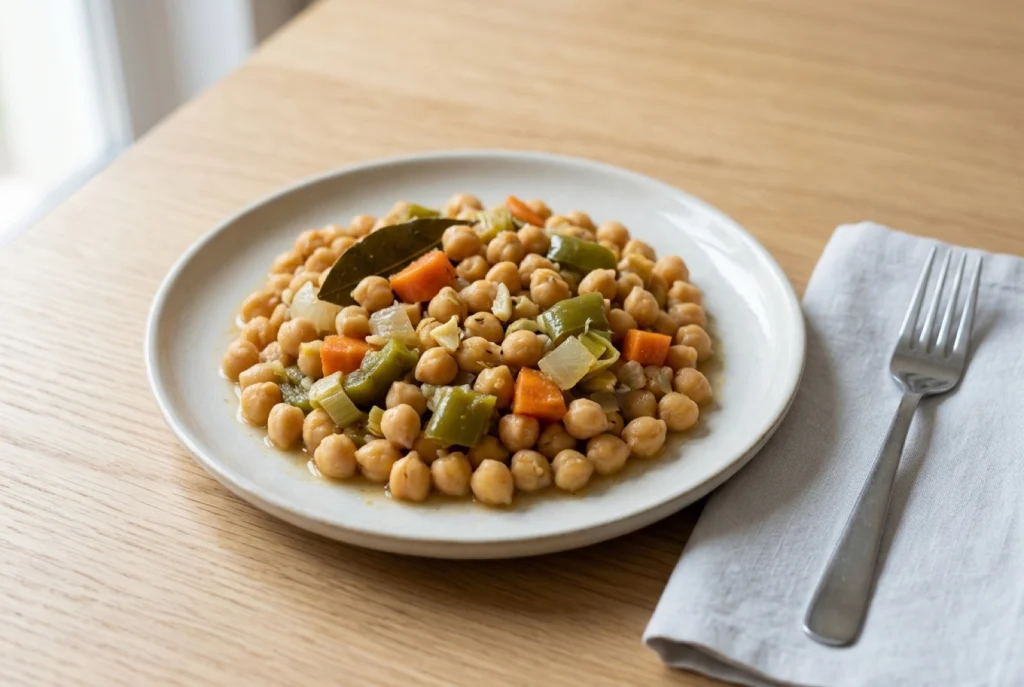
| Thursday | Plain yoghurt with oats (40 g), 1 chopped pear and cinnamon | 1 mandarin and hazelnuts (20 g) | Wholemeal pasta (40 g dry) with ratatouille and chicken breast (120 g); green salad; 1 piece of fruit | Wholemeal bread (40 g) with tomato and olive oil | Chickpeas (150 g cooked) with spinach and roasted vegetables; bread (40 g); 1 kiwifruit |
| Friday | Milk or soya drink (200 ml), wholemeal bread (60 g) with peanut butter (20 g); 1 piece of fruit | 1 pear | Boiled potato (200 g) with green beans and tuna in spring water (100 g); tomato salad; 1 piece of fruit | Plain yoghurt and almonds (20 g) | Two-egg omelette with mushrooms and mixed salad; wholemeal bread (60 g); 1 mandarin |
| Saturday | Plain yoghurt with oats (40 g) and 1 kiwifruit | 1 orange and walnuts (20 g) | Roast chicken (120 g) with vegetables and brown rice (40 g dry); green salad; 1 piece of fruit | Wholemeal bread (40 g) with hummus (50 g) | Cod (130 g) with potato (180 g), tomato and broccoli; 1 pear |
| Sunday | Milk or soya drink (200 ml), wholemeal bread (60 g) with avocado and tomato; 1 piece of fruit | 1 kiwifruit and almonds (20 g) | Chickpeas (150 g cooked) with vegetables and wholemeal couscous (40 g dry); green salad; 1 piece of fruit | Plain yoghurt and 1 mandarin | Grilled fresh turkey (120 g) with pumpkin and carrot soup; wholemeal bread (60 g); 1 pear |
The fruit suggested at breakfast, snacks and meals adds up to at least two pieces a day. Lunch and dinner both include vegetables and a source of bread, potato, rice, pasta or couscous. Pulses appear four times; fish appears four times if you count Friday’s tuna. Swap fruit or vegetables for another seasonal option if it suits you better. You do not need to eat all five meals if your appetite or routine is different.
A rough shopping list for one person for seven days
- Fruit: about 31 pieces in a mix of kiwifruit, pears, mandarins, oranges, bananas and seasonal fruit. Adjust for size and appetite.
- Vegetables: around 4–5 kg in total, including tomato, carrot, courgette, pepper, onion, spinach, broccoli, pumpkin, aubergine, green beans, salad leaves and other seasonal vegetables.
- Pulses: about 600 g cooked in total, including lentils, beans and chickpeas; if buying jars or tins, check the drained weight. Also allow about 100 g hummus.
- Grains and starchy foods: a wholemeal loaf of about 700 g, about 120 g oats, 80 g brown rice, 40 g wholemeal pasta, 80 g wholemeal couscous and about 600 g potatoes. Grain amounts are dry weights.
- Protein foods and dairy: about 360 g chicken, 120 g fresh turkey, 390 g mixed fish and about 100 g tuna in spring water, four eggs, 5–7 plain yoghurts, fresh cheese and around 1 litre of milk or soya drink if you use it.
- Other: about 140 g plain nuts, peanut butter, olive oil and spices.
The list is approximate: check what you already have and adjust amounts for the number of people. Refrigerate cooked food and use it soon; if you cook for several days, freeze portions. Refrigerate cooked rice within one hour, eat it within 24 hours and reheat it only once. [9].
Start with a change you can keep up. For example, add whole fruit every day and see how it sits with you before increasing the fibre in the rest of the menu.
If constipation persists or you rely on laxatives, review the situation with your doctor. Our team of registered dietitian-nutritionists specialising in digestive health can help you adjust your eating and habits to your routine, in Barcelona or online.
We explain it on video
More videos
Your first step this week
Try two kiwis a day
Buy green kiwis for this week. If you fancy them, have two a day for four weeks and see how they agree with you [4].
Your menu for the FODMAP elimination phase
- 7-day menu with the shopping list
- 8 low-FODMAP recipes
- The portions that make the difference and label traps
Where should we send it?
Free PDF, in your inbox in a moment.
Data controller: Alimmenta Tu Vida, S.L. Purpose: to send you the guide and, only if you tick the second box, tips by email on the topic. You can withdraw your consent and exercise your rights at [email protected]. Legal basis, recipients and retention periods are in our privacy policy.
When to see a doctor
When to see a doctor
Food may help improve bowel movements. It cannot rule out a blockage, bleeding or another cause that needs medical attention.
Arrange a medical appointment without waiting to change your diet if you notice any of these signs:
- You have severe abdominal pain with vomiting and have not passed wind for hours.
- You see blood in your stools, or they are black and tarry [10].
- You lose weight without trying [2].
- Your constipation is new, you are over 50, and it lasts more than six weeks.
- You look pale and feel more tired than usual for no clear reason, or you have been told that your iron is low.
If you have severe pain with vomiting and cannot pass wind, go to an emergency department today. If you see blood or black stools, seek urgent medical care. For weight loss, possible anaemia, or new constipation after age 50 that lasts more than six weeks, book an appointment with your doctor this week.
Most of the time, there is no serious cause. These signs can help you know when to seek care.

Tell us what your toilet habits are like
At the first visit we talk about your bowel rhythm, what you eat and drink, and your routines. A week later you have your plan in writing.
Keep reading

Gastritis diet: what to eat and what to avoid
Before every meal you wonder how you are going to feel afterwards, and you end up eating fewer…
Bristol stool chart: a visual guide and when to seek help
You look at your stool and wonder whether its shape is usual for you or worth mentioning at…

Intestinal gas: causes, foods and ways to ease discomfort
You feel bloated after eating and start to suspect everything on your plate. Where should you start?
 Consultation
Digestive dietitian in Barcelona and online
Improving your symptoms starts with understanding your digestion
Book a visit →- Consultation
SIBO dietitian in Barcelona and online
Your gastroenterologist diagnoses SIBO with a breath test. From there, we take care of helping you with food.
Book a visit → - Consultation
Dietitian for constipation in Barcelona and online
Going to the toilet with less effort and more regularity, with a plan for fibre, fluids and routine…
Book a visit →



Recipes for this goal

Sources
- World Health Organization. Carbohydrate intake for adults and children: WHO guideline. 2023. WHO.
- National Institute of Diabetes and Digestive and Kidney Diseases. Symptoms & Causes of Constipation. 2018. NIDDK.
- Dimidi E, et al. British Dietetic Association Guidelines for the Dietary Management of Chronic Constipation in Adults. J Hum Nutr Diet. 2025. doi:10.1111/jhn.70133.
- Gearry R, Fukudo S, Barbara G, et al. Consumption of 2 Green Kiwifruits Daily Improves Constipation and Abdominal Comfort—Results of an International Multicenter Randomized Controlled Trial. Am J Gastroenterol. 2023;118:1058-1068. doi:10.14309/ajg.0000000000002124.
- van der Schoot A, Drysdale C, Whelan K, et al. The effect of fiber supplementation on chronic constipation in adults: an updated systematic review and meta-analysis of randomized controlled trials. Am J Clin Nutr. 2022;116:953-969. doi:10.1093/ajcn/nqac184.
- Van Der Schoot A, Katsirma Z, Whelan K, et al. Systematic review and meta-analysis: foods, drinks and diets and their effect on chronic constipation in adults. Aliment Pharmacol Ther. 2024;59:157-174. doi:10.1111/apt.17782.
- Chang L, Chey WD, Imdad A, et al. AGA-ACG Clinical Practice Guideline: Pharmacological Management of Chronic Idiopathic Constipation. Gastroenterology. 2023;164:1086-1106. doi:10.1053/j.gastro.2023.03.214.
- Wald A, Bharucha AE, Limketkai B, et al. ACG Clinical Guidelines: Management of Benign Anorectal Disorders. Am J Gastroenterol. 2021;116:1987-2008. doi:10.14309/ajg.0000000000001507.
- Food Standards Agency. Home food fact checker, Rice. Cooked rice storage.
- National Institute of Diabetes and Digestive and Kidney Diseases. Symptoms & Causes of GI Bleeding. NIDDK.
Written and reviewed by


How we can help
Now, applied to you
Dietitian for constipation in Barcelona and onlineGoing to the toilet with less effort and more regularity, with a plan for fibre, fluids and routine built around you, in Barcelona and online.
4.9 on Google · 5.0 on Doctoralia · 2,047 reviews